John Coffee “Jack” Hays was one of the most famous Texas Rangers of the Republic of Texas era, and his career later carried him into California politics and law enforcement. He was born in Tennessee in 1817, came west as a young man, and became known for aggressive frontier fighting, especially against the Comanche and in the Mexican-American War.
John Coffee “Jack” Hays mattered because he transformed the Texas Rangers into a disciplined, effective fighting force, pioneered the tactical use of repeating revolvers on the frontier, and later helped shape early California as a sheriff, surveyor general, and city founder.
His name endures in Texas geography (Hays County is named for him) and in the Texas Ranger Hall of Fame, where he is recognized as an original inductee and a defining figure in ranger history.
Early life
Hays was born on January 28, 1817, at Little Cedar Lick in Wilson County, Tennessee. After his parents died when he was about 15, he moved to Mississippi and learned surveying before heading to Texas by 1836.
Joining the Rangers
He entered Texas during the early years of the Republic and joined a Ranger company under Erastus “Deaf” Smith. He was soon involved in fighting Mexican cavalry and in the capture of Juan Sánchez, while also working as a deputy surveyor in Bexar District.
Rise to fame
Hays rose from private to captain and then colonel in the Texas Rangers during the volatile years after Texas independence (1836–1846), leading small, often outnumbered ranger companies against Comanche raiders and Mexican incursions.
He is especially remembered for revolutionizing plains warfare by equipping his men with the Colt Paterson five ‑ shot revolver and pushing adoption of the six ‑ shot Colt Walker, giving rangers a decisive edge in close ‑ quarter fights where single ‑ shot weapons had previously been a major disadvantage.
His tactics and leadership in key engagements—such as Plum Creek, Bandera Pass, Painted Rock, Salado and Walker's Creek—helped turn the tide against Comanche dominance on the frontier and cemented the Rangers' reputation for deadly marksmanship and mobility.
Fighting style and reputation
Hays was remembered as a fearless leader who combined surveying knowledge with practical frontier warfare. Sources describe his Ranger companies as mixed groups of Anglos, Hispanics, and Indians, and note that he developed a strong reputation for discipline, training, and battlefield effectiveness.
His “OODA loop” style—observe with scouts, orient quickly, decide aggressively, and act faster than the Comanche could react—let him turn the Comanche's own charge ‑ and ‑ flank doctrine against them by collapsing their decision cycle.
Hays didn't just outshoot the Comanche, he restructured Ranger tactics to fight on the Comanche's preferred ground—open, fast, and fluid—while using repeating revolvers and Native allies to negate their cavalry advantage. He abandoned static, linear fire in favor of rapid, mobile close ‑ range shooting, letting his men keep up a continuous hail of fire as they advanced and wheeled.
Beyond battlefield success, Hays built unit cohesion and esprit de corps among the Rangers, introducing traditions and a shared identity that turned a loosely organized mounted police force into a more disciplined, cohesive military unit.
Mexican American War
During the Mexican American War, Hays commanded the First Regiment, Texas Mounted Riflemen under Zachary Taylor. His men scouted for the U.S. Army and took part in the Battle of Monterrey, while another regiment under his command helped protect supply and communication lines during the campaign toward Mexico City.
California years
After the war, Hays left Texas in 1849 and went to California during the Gold Rush. He was elected sheriff of San Francisco in 1850 and appointed U.S. surveyor general for California
In California, Hays also helped develop Oakland and became involved in land, banking, and utilities. He remained politically active, including serving as a delegate to the Democratic National Convention in 1876, but he stayed neutral during the Civil War.
Death and legacy
Hays died on April 21, 1883, and was buried in Mountain View Cemetery in Oakland. He is remembered as a central figure in early Texas Ranger history and one of the frontier leaders who helped shape both Texas and California.
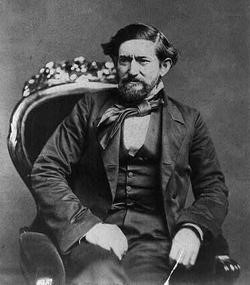
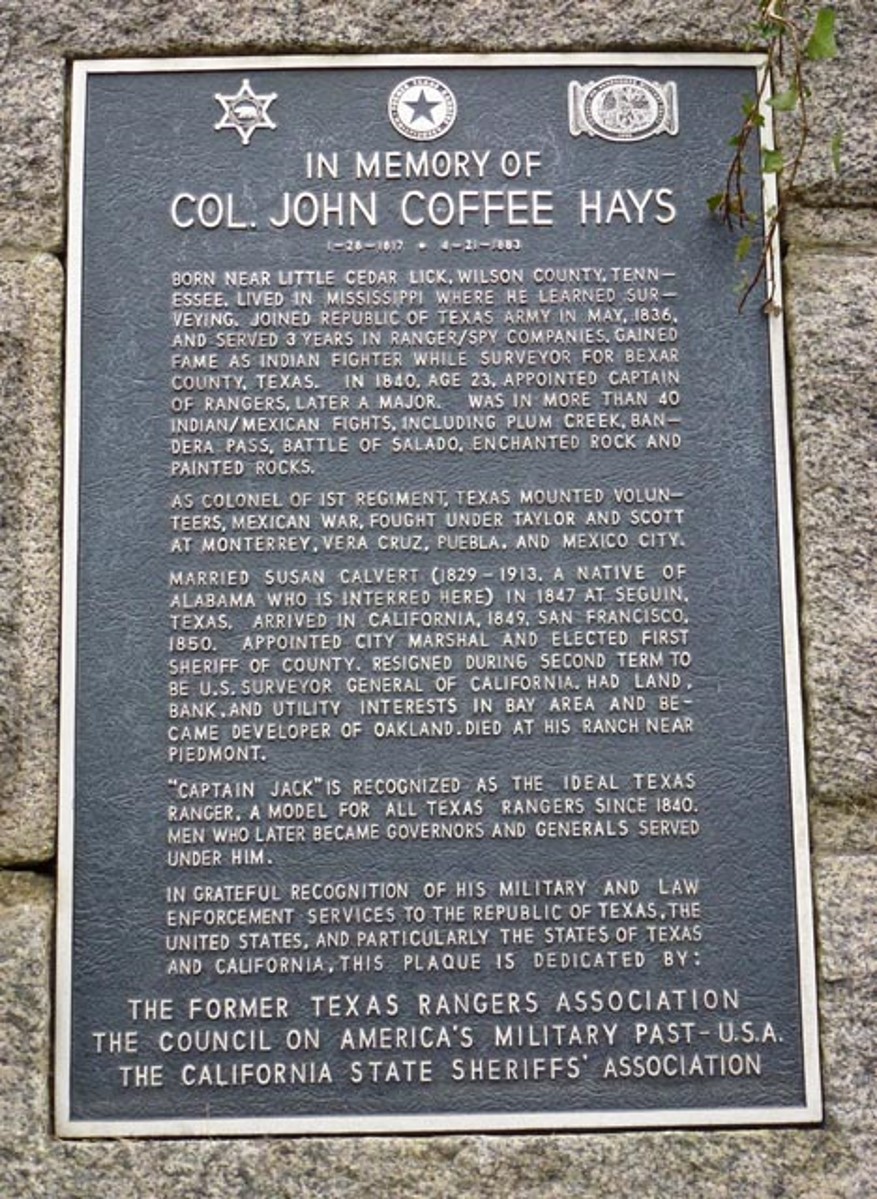
Find a Grave - John Coffee Hays
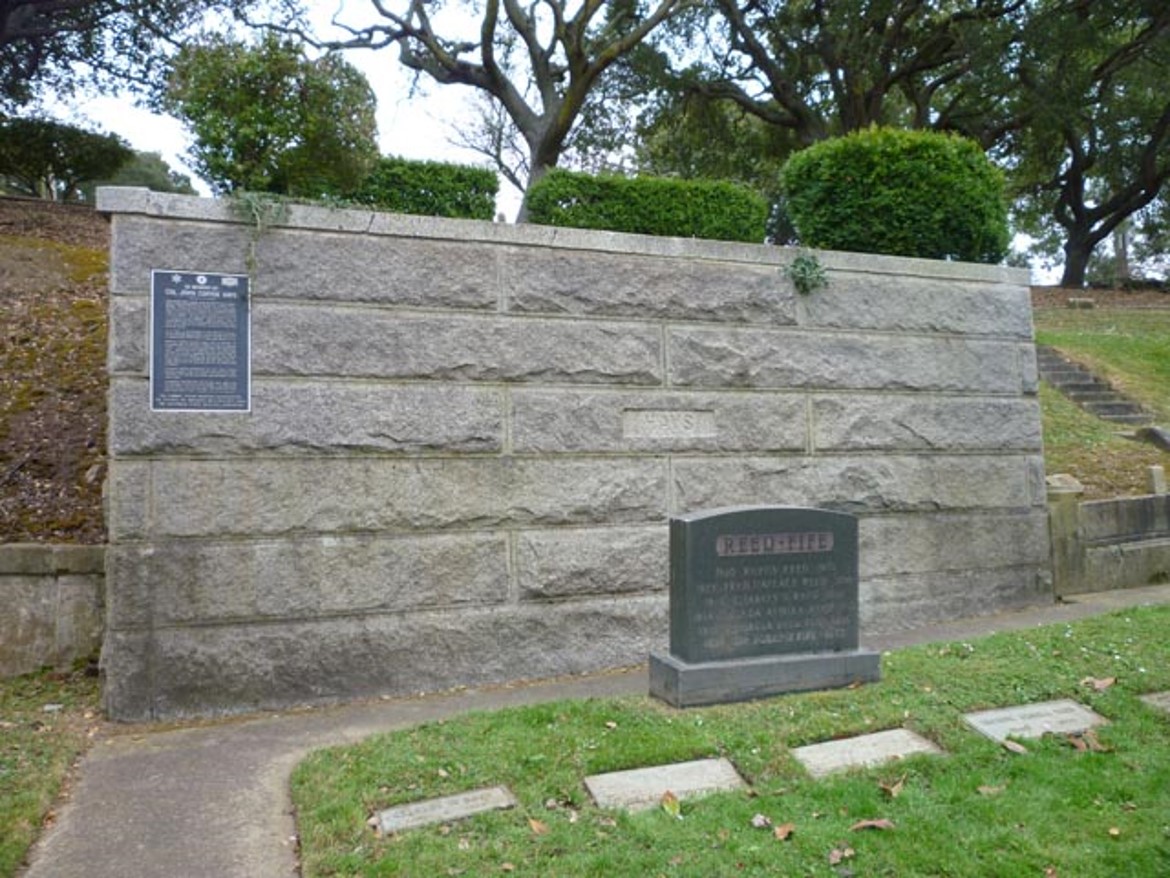
Mountain View Cemetery, Oakland CA